Top 5 Project Management Trends to Watch in 2025
Airess Rembert
Career Project Management

The way we manage projects is evolving fast. Between AI, remote teams, and hybrid frameworks, the PM role you started with isn’t the role you’ll have moving forward unless you level up. Whether you're trying to stay ahead of the curve or just avoid holding on to outdated tools and techniques, this list is for you.
✨ Need a jumpstart? The Women of Project Management Conference is where these conversations are happening in real time. From interactive workshops to powerhouse panels, this is the space to hear from women who are setting the pace in the industry. It’s not just inspiration; it’s information.
Get your ticket here → 2025 Women Of Project Management Annual Conference Ticket + 365 Bonus Days Of Membership.
And check out the conference agenda → 2025 CONFERENCE AGENDA — Women Of Project Management
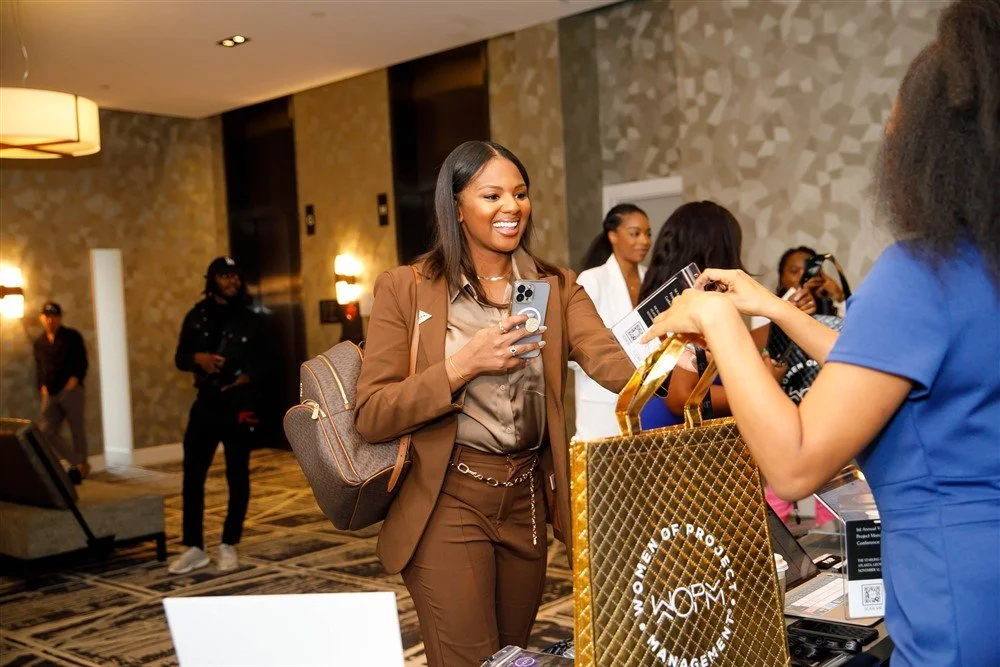
Women of Project Management Conference
Let’s get into the top trends shaping project management in 2025
📌 1. AI and Automation Are Streamlining the Busy Tasks
80% of project management tasks could be automated by 2030, according to PMI’s Global Megatrends Report.
Think scheduling, task tracking, and risk identification; not your ability to lead and communicate.
Smart project managers aren’t scared of AI. They’re using it. Start small with project dashboards, auto-generated reports, or task prioritization tools that save you hours.
If you’re still manually tracking tasks in an Excel spreadsheet... I get it. It’s familiar and easy to get the job done; it’s a lot of manual effort but it still does what it needs to do.
But if you want to be able to scale and work smarter, it’s time to ditch the spreadspeet and use tools that allow you to automate tasks and collaborate more efficiently.
📌 2. Hybrid Work Models Are the New Norm
According to PMI, 56% of organizations are using hybrid methodologies; combining Agile, Waterfall, and honestly whatever else helps to move projects forward.
And honestly? I co-sign. In every organization I’ve been a part of, mixing and matching methodologies wasn’t just common, it was necessary.
Some projects needed the structure of Waterfall, others thrived in the flexibility of Agile, and more often than not, we found ourselves blending the two to actually get things done.
The best approach is the one that works for the project and the people running it.
Why? Because it works. Agile isn’t always practical for complex or regulatory-heavy projects, but Waterfall can be too rigid. Hybrid offers the flexibility and structure both teams and clients crave.
📌 3. Business Acumen is the New Differentiator — But Still in Short Supply
Soft skills are cute, but if you really want to stand out, you’ll need to understand how your project ties into actual business strategy.
According to the 2025 Pulse of the Profession, only 18% of project professionals demonstrate high business acumen, even though 54% of senior leaders admit their teams need to build more of it.
And even though business acumen has the power to boost project outcomes and organizational value, many companies still prioritize technical skills (64%) and power skills (61%) first. Translation? There’s a gap, and it’s your opportunity.
Building business acumen through strategic mentorship, cross-functional projects, or even side hustles that teach you budgeting, marketing, and stakeholder management. That’s the kind of energy that sets you apart, especially in leadership-track roles.
Your Jira skills might get you in the door. But your ability to translate sprint velocity into business impact? That’s what gets you noticed by leadership.

Photo by RDNE Stock project
📌 4. PMs Are Becoming Strategic Decision Makers
Project managers are no longer just execution machines; they’re strategic decision-makers.
In fact, 82% of high-performing organizations rely on data to guide their decisions, and success rates are significantly higher when projects are tied directly to business strategy.
This isn’t about doing more—it’s about doing the right things with purpose. Whether you're tracking KPIs, building dashboards, or translating insights into action, learning to speak the language of strategy positions you as a leader, not just a doer.
Business goals, performance metrics, and understanding the data are all conversations project managers are stepping into with confidence.
And that shift is changing the game.
📌 5. Managing Multigenerational Teams Is the New Leadership Challenge
For the first time ever, five generations are working together.
Gen Z wants purpose and feedback
Millennials want autonomy
Gen X wants recognition
Boomers want clarity
Traditionalists want loyalty
All of them want to be respected.
Why it matters: The 2025 Korn Ferry Workforce Study reveals that organizations are increasingly challenged by the needs of a multigenerational workforce.
Different generations bring distinct perspectives on communication styles, technology usage, and career expectations. Understanding how to manage and leverage these differences is crucial for both team cohesion and organizational success.
What you can do: The key here is adaptability. Make sure you’re fostering an environment where multiple generations can thrive together.
This means offering flexible communication channels, embracing both traditional and tech-savvy approaches, and understanding that each generation has unique career development needs. With the right balance, you can turn this diversity into a strength.

Join.
Join the full discussion inside the Women Of Project Management Membership. Listen to part of our conversation on the Women Of Project Management Podcast.
If you're new to our community, Women Of Project Management is the only community created to support & amplify the voices of women & women of color in every specialty of the project management industry worldwide. We support women in every stage of their career, learn more at Women Of Project Management
By, Airess Rembert, PMP, Member of Women Of Project Management & Blogger at The Nerd Bae